Source Portable Key Cutting Machine for Locksmiths, Auto Pros, and Security Installers
Find and compare 15 portable key cutting machine options from verified Chinese manufacturers. Evaluate models like CSH002 and JZ-338EWA based on weight, voltage, and precision features to select the right tool for locksmiths, automotive technicians, and security professionals.
Key considerations
Products List


Comprehensive Sourcing Guide
Portable Key Cutting Machine Sourcing Guide
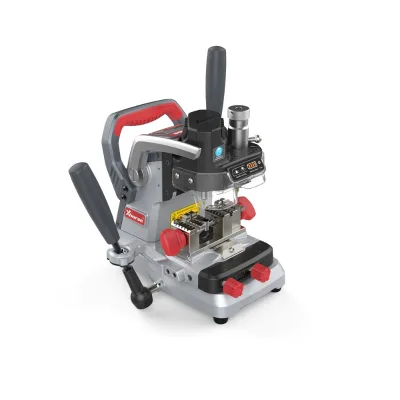
The portable key cutting machine represents a critical tool for locksmiths and automotive service providers who require on-site duplication capabilities without the constraints of a fixed workshop. Based on observed market listings, these units are specifically engineered for high-precision key duplication, ranging from standard residential locks to complex automotive transponder keys. The portability feature is a primary differentiator, allowing technicians to transport the equipment directly to client locations, which is essential for emergency lockout services and mobile automotive locksmithing operations. Buyers should recognize that while the core function remains consistent across listings, the specific application scope—whether for general key cutting or specialized car key duplication—varies significantly by model.
When evaluating these machines, procurement teams must distinguish between manual and automated variants, as the operational workflow differs substantially. The observed product data indicates a mix of manual key cutting machines and specialized car key cutting units, each serving distinct operational needs. Manual units often prioritize ease of operation and durability for high-volume, repetitive tasks, whereas automated or specialized models may offer enhanced precision for complex key profiles. Understanding this distinction is vital for aligning the purchase with the specific service portfolio of the business, ensuring that the selected equipment can handle the intended volume and complexity of key cutting tasks without unnecessary downtime or operational friction.
Product Scope and Observed Listing Signals
The current market for portable key cutting machines displays a diverse range of specifications, with observed listing prices spanning from 80 to 800 USD, reflecting variations in build quality, automation levels, and included accessories. This wide price band suggests that buyers must carefully scrutinize the feature set to ensure value alignment, as lower-cost units may lack the high-precision mechanisms required for modern automotive keys. The minimum order quantity (MOQ) for these products is consistently low, typically starting at 1 piece, which facilitates trial purchases and allows small businesses to test equipment performance before committing to larger inventory orders. This low barrier to entry is a significant advantage for startups and independent locksmiths looking to expand their service offerings with minimal capital risk.
Physical attributes and packaging standards are also critical signals when assessing product readiness for transport and deployment. Observed data highlights that these machines are typically packaged in high-strength brown cartons or plastic foam to ensure protection during shipping, with dimensions varying from compact 24x26x36 cm units to larger 50x42x33 cm configurations. Weight is another key indicator of portability and stability; listings show net weights ranging from 12.8 kg to 25 kg, with some models weighing as little as 12 kg. Buyers should correlate these weight figures with their logistical capabilities, as heavier units may offer greater stability during operation but could be more cumbersome to transport to remote job sites. The consistent use of carton packaging across different origins, including Hunan, Qingdao, and Guangzhou, suggests a standardized approach to protecting these precision instruments during transit.
Technical Specifications to Verify
Voltage compatibility and frequency requirements are among the most critical technical specifications to verify before finalizing a purchase, as these factors directly impact the machine's operational safety and performance in different regions. The observed product data indicates that many units support dual voltage inputs of 110V/220V, with some models offering reservation options for specific voltage needs. Frequency ratings are typically listed as 50Hz or 50±2%, though some listings mention 50/60Hz compatibility. Procurement teams must confirm that the specific model selected matches the electrical infrastructure of the intended deployment location to prevent equipment damage or safety hazards. Failure to verify these electrical parameters can lead to operational failures, particularly when deploying equipment across international borders with differing power standards.
Precision and operational features are equally important when evaluating the technical capabilities of a portable key cutting machine. The observed listings emphasize features such as high precision, easy operation, and durability, which are essential for maintaining consistent key quality and minimizing user fatigue. Specific models are identified by unique identifiers such as CSH001, CSH002, JZ-338EWA, and JZ-903D+90L, each potentially offering distinct functional capabilities. Buyers should verify that the machine's stated function aligns with their specific needs, whether it is general key duplication, car key cutting, or specialized locksmith applications. Additionally, the physical dimensions and weight of the unit must be cross-referenced with the intended workspace to ensure the machine fits comfortably within the mobile toolkit or workshop environment.
Compliance and Safety Documentation
While the supplied product data does not explicitly list specific certification bodies or compliance standards, buyers must proactively request documentation to ensure the equipment meets international safety and quality requirements. The absence of explicit certification mentions in the listing data necessitates a rigorous verification process where the supplier must provide evidence of compliance with relevant electrical safety standards and mechanical safety regulations. This is particularly important for machines operating at varying voltages, as improper electrical design can pose significant risks to the operator and the end-user. Procurement teams should insist on seeing test reports or certification marks that validate the machine's adherence to safety protocols before accepting delivery.
Quality assurance documentation should also be scrutinized to confirm that the machine meets the durability and performance claims made by the supplier. The observed listings describe the products as "durable high quality" and "practical," but these are subjective descriptors that require objective validation through third-party testing or manufacturer quality control records. Buyers should request detailed quality assurance reports that outline the testing procedures used to verify the machine's precision, structural integrity, and long-term reliability. This documentation serves as a critical safeguard against purchasing equipment that may fail prematurely or produce substandard keys, which could damage the reputation of the locksmith business and lead to costly rework or customer dissatisfaction.
Cost Drivers and Commercial Terms
The cost of a portable key cutting machine is influenced by several key drivers, including the level of automation, the complexity of the key profiles it can handle, and the specific features such as dual voltage support or enhanced precision mechanisms. The observed price range of 80 to 800 USD reflects these variations, with higher-priced models likely offering advanced capabilities for automotive key cutting or specialized locksmith applications. Buyers should analyze the total cost of ownership, considering not just the initial purchase price but also the potential for maintenance, spare parts availability, and the efficiency gains provided by higher-precision models. Understanding these cost drivers helps in making an informed decision that balances budget constraints with the need for reliable, high-performance equipment.
Commercial terms, including minimum order quantities and delivery timelines, play a significant role in the procurement process and can impact the overall supply chain efficiency. The observed data indicates a consistent MOQ of 1 piece, which provides flexibility for buyers to test the market or fulfill immediate needs without large inventory commitments. Delivery times are typically short, with observed lead times ranging from 3 to 5 working days, suggesting a responsive supply chain capable of meeting urgent operational requirements. However, buyers should verify these timelines with the specific supplier, as lead times can vary based on stock availability, shipping method, and the origin of the product. Clear communication regarding these terms ensures that the procurement process aligns with the business's operational schedule and customer service commitments.
Supplier Qualification and Quality Control
Supplier qualification is a critical step in the procurement process, requiring a thorough assessment of the manufacturer's reputation, production capacity, and track record in the key cutting machine industry. The observed product data lists origins in Hunan, Qingdao, and Guangzhou, China, indicating a concentration of manufacturing capabilities in these regions. Buyers should investigate the specific supplier's history, including their experience with similar products, their ability to meet quality standards, and their responsiveness to customer inquiries. A qualified supplier will provide transparent information about their production processes, quality control measures, and after-sales support, ensuring that the buyer receives a reliable product that meets their operational needs.
Quality control measures must be rigorously evaluated to ensure that the portable key cutting machine meets the high standards required for professional locksmithing. Buyers should request detailed information about the supplier's quality control protocols, including the testing procedures used to verify the machine's precision, durability, and safety. The observed listings mention features such as "high precision" and "durable," but these claims must be substantiated by objective quality control data. Procurement teams should consider implementing pre-shipment inspections or third-party quality audits to verify that the equipment meets the specified requirements before it is delivered. This proactive approach helps mitigate the risk of receiving defective or substandard products and ensures that the business maintains its reputation for quality service.
Long-Term Procurement Checks
Long-term procurement success depends on establishing a sustainable relationship with suppliers who can consistently deliver high-quality products and support the evolving needs of the business. Buyers should prioritize suppliers who demonstrate a commitment to continuous improvement, offering updates to their product lines and maintaining a reliable supply chain. The observed supply ability of 1000 pieces per month for key cutting machines suggests that some suppliers have the capacity to scale their operations to meet growing demand. However, buyers should verify this capacity and ensure that the supplier can maintain quality standards as production volumes increase. Building a strong partnership with a reliable supplier is essential for ensuring the long-term availability of critical equipment and minimizing supply chain disruptions.
Regular performance reviews and feedback loops are essential for maintaining the quality and reliability of the portable key cutting machines in the field. Buyers should establish a system for monitoring the performance of the equipment, tracking metrics such as key duplication accuracy, machine downtime, and maintenance requirements. This data can be used to identify potential issues early and address them before they impact business operations. Additionally, buyers should maintain open communication with suppliers to provide feedback on product performance and suggest improvements. This collaborative approach fosters a culture of continuous improvement and ensures that the equipment remains aligned with the evolving needs of the locksmith industry.
FAQs
What is the MOQ for portable key cutting machines?
The minimum order quantity is 1 piece for most listed models. This low threshold allows buyers to test quality before committing to larger volumes. Suppliers typically accept small orders to accommodate locksmiths and small workshops needing immediate equipment without high initial capital expenditure.
How much does a portable key cutting machine weigh?
Weights vary by model, ranging from 12 kg to 25 kg. For instance, the CSH002 model weighs 12 kg, while the CSH001 model weighs 25 kg. These weights reflect the durable construction required for high-precision key cutting operations in portable formats.
Can I customize portable key cutting machines for specific needs?
Yes, customization is available for many portable key cutting machine models. Buyers can often request specific voltage configurations, such as 110V or 220V, to match local power standards. This flexibility ensures the equipment operates safely and efficiently in different regional markets.
What is the delivery time for these machines?
The standard delivery time is 3 to 5 working days. This rapid turnaround supports urgent locksmith requirements and small business inventory needs. Buyers should confirm specific lead times with suppliers, as production schedules may vary slightly based on order volume and model availability.
Where are portable key cutting machines manufactured?
These machines are primarily manufactured in China, with origins in Hunan, Qingdao, and Guangzhou. Different models originate from specific cities, allowing buyers to trace production sources. This geographic distribution offers various sourcing options while maintaining consistent quality standards for key cutting equipment.
What packaging is used for portable key cutting machines?
Machines are typically packed in high-strength brown cartons with plastic foam protection. Some models use standard carton packaging to ensure safe transit. This robust packaging prevents damage during shipping and handling, preserving the precision and durability of the key cutting machinery.